
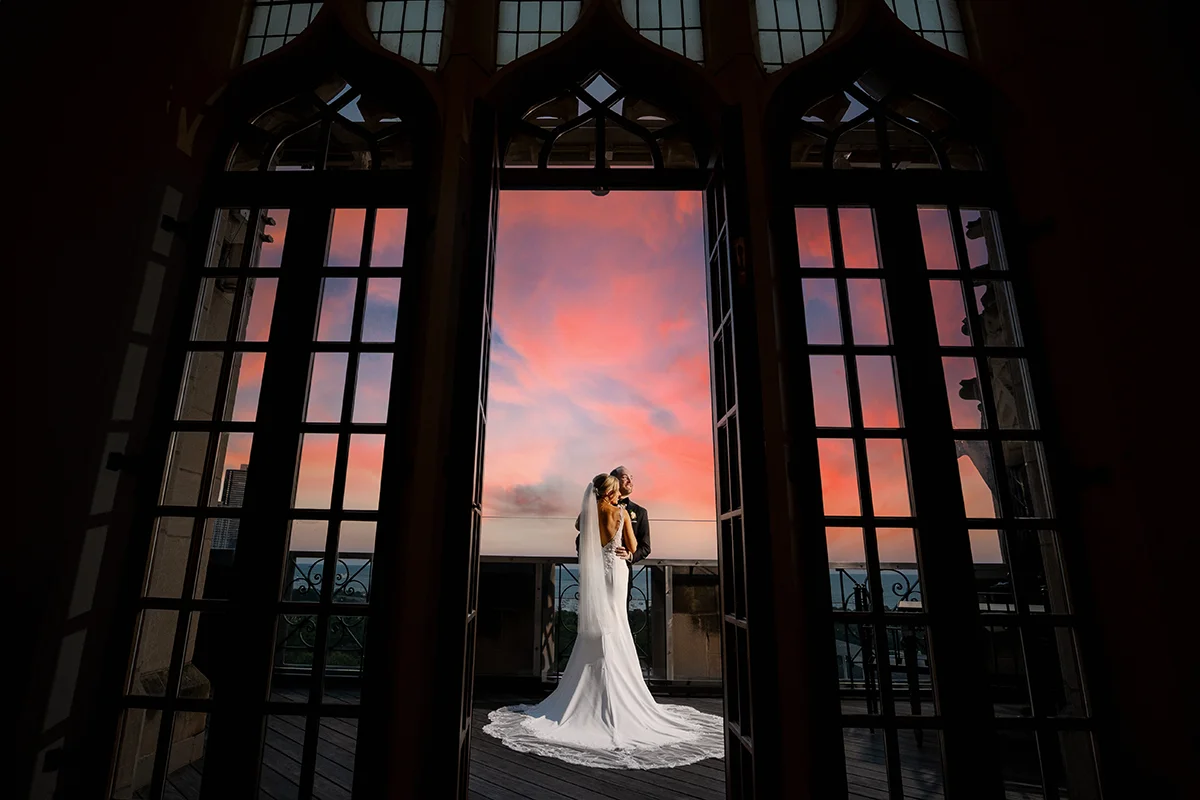
Planning a wedding is an exciting journey, but it comes with its fair share of challenges. Among the many aspects to coordinate, wedding photography holds a special place. Documenting the moments of your wedding day requires careful preparation, especially in a bustling city like Chicago. To help you enjoy a seamless experience, we put together some valuable tips for stress-free wedding photography.
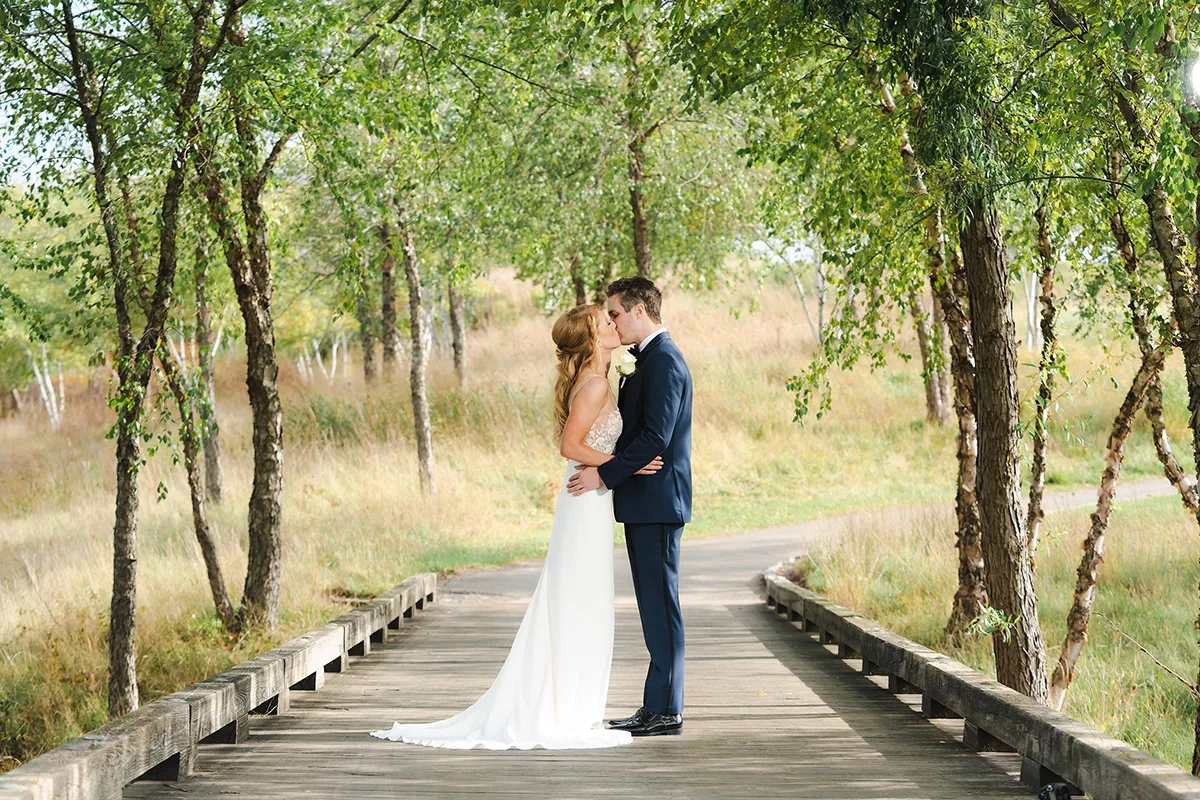 LOCATION | THE GLEN CLUB, GLENVIEW
Choose the Right Wedding Photographer
Your photographer will be the storyteller of your wedding day and therefore it’s extremely important that you hire a wedding professional. Take time to research wedding photography professionals who specialize in Chicago weddings. Review their portfolios to ensure their style matches your vision. Schedule a consultation to discuss your ideas and ensure compatibility—this relationship will be key to a successful experience. We always encourage couples to schedule an in-person consultation at our studio as they get a better idea of the value they would get when booking us for their wedding.
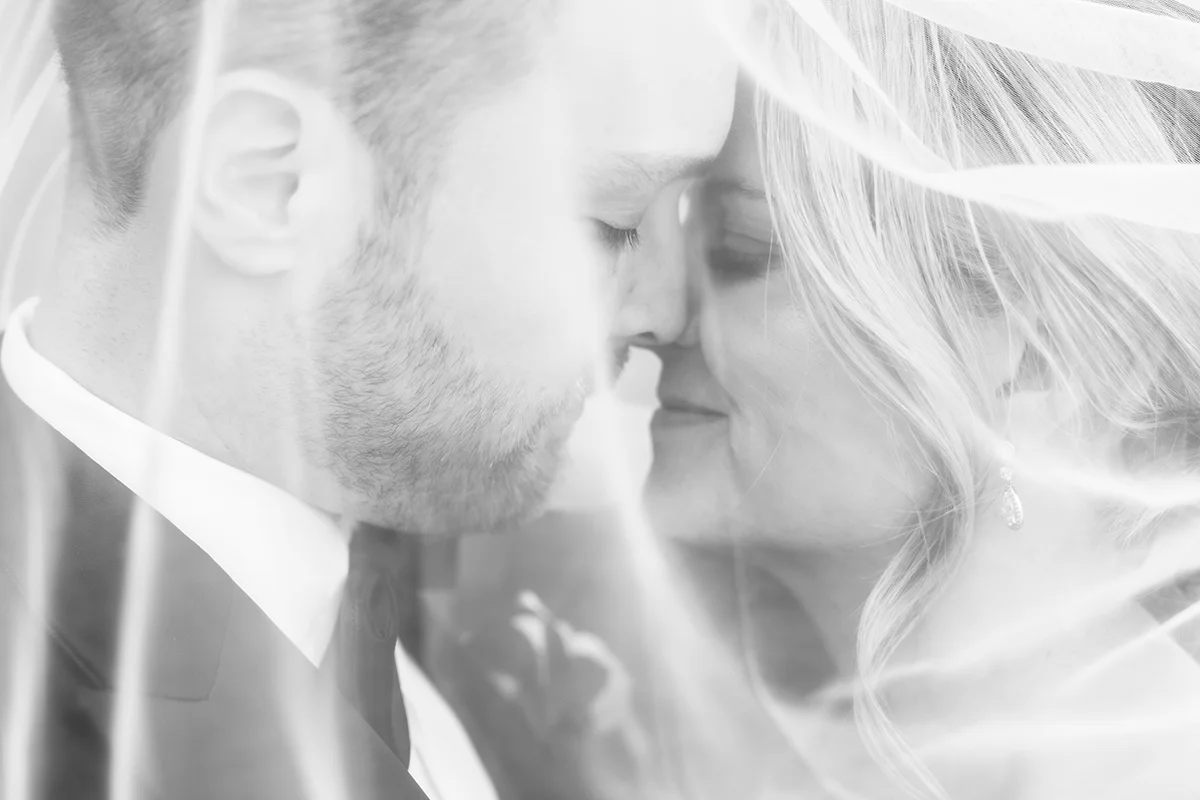 Plan the Timeline A detailed and stress-free timeline is your best friend on your wedding day. Work with your wedding planner and photographer to allocate specific time slots for key moments, such as getting ready, the ceremony, and couple portraits. Don’t forget to add buffer times for any unexpected delays. Sharing this schedule in advance with all the vendors will keep everyone on the same page. Hiring a photographer that understand the logistical challenges of the city is of a great importance!
Decide on Photography Locations Beforehand Chicago offers stunning backdrops and locations! From the iconic skyline views, Millennium Park nature scene, to the serene shores of North Avenue Beach. We have it ALL! If you have personal or sentimental venues in mind, include them in your plan. Be mindful of logistics, such as traffic, parking, and any permits required for certain locations. Planing for an indoor location in case of bad weather is always a good idea!
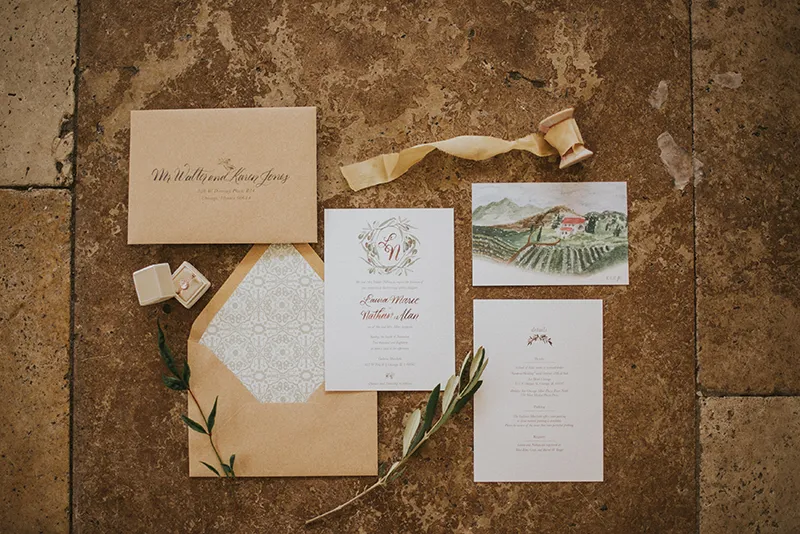 Prepare a Must Have Shot List Your wedding photographer should have a must have list nailed down! But there are always special requests and never hesitate to share these with your photographer. We want to deliver what you value, and want to know how we best capture your wedding day. his ensures no important memories are missed and allows the photographer to plan accordingly.
On the Wedding Day
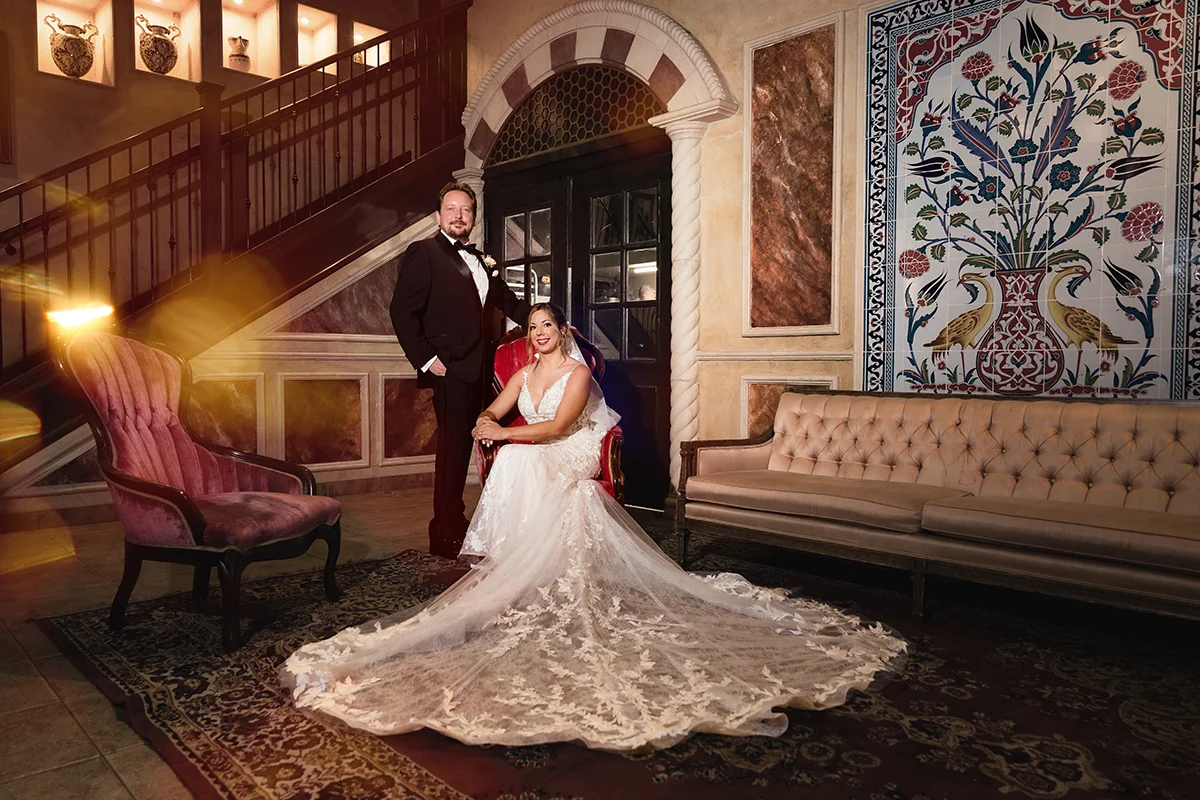 LOCATION | GALLERIA MARCHETTI
Stay Relaxed and Go with the Flow Your wedding day should be about joy and celebration. Instead of focusing on the perfect pose, immerse yourself in the moment. Trust your photographer to capture candid and meaningful memories. Natural lighting adds a magical touch to wedding photos. Plan outdoor shots during the golden hour, either early in the morning or late in the afternoon. For indoor venues, discuss lighting conditions with your photographer to optimize photo quality.
Have an Emergency Kit Prepare for any mishaps by assembling an emergency kit. Include essentials like makeup touch-ups, water, snacks, and tissues. Chicago’s weather can be unpredictable, so pack umbrellas or jackets just in case. Your wedding planner is a great person to help with this!
Working with the Photographer
Communicate Clearly Open communication is vital. Share your preferences, ideas, and concerns with your photographer ahead of time. Provide feedback during the shoot to ensure your vision is being realized.
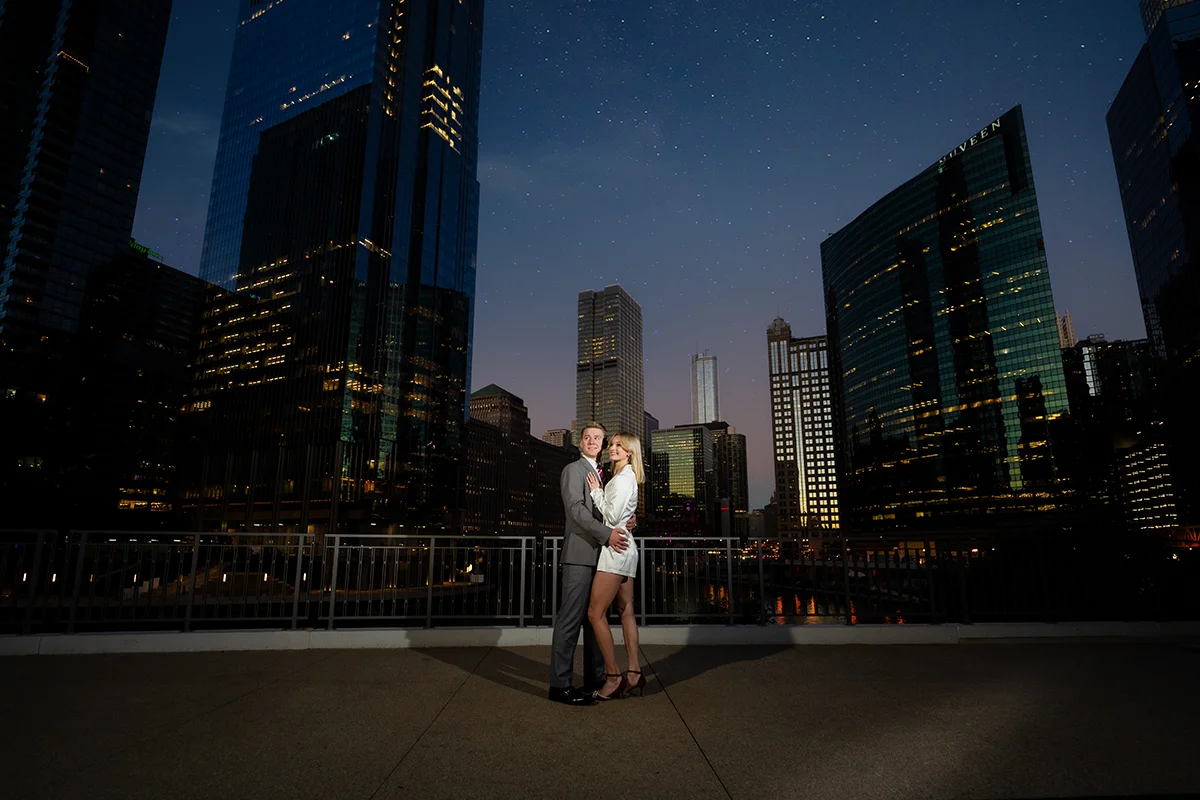
Create a relationship: A comfortable relationship with your photographer can make a big difference. Consider scheduling an engagement session as a trial run. This helps your photographer understand better what you value as the couple, and engagement session always results in better wedding day photos!
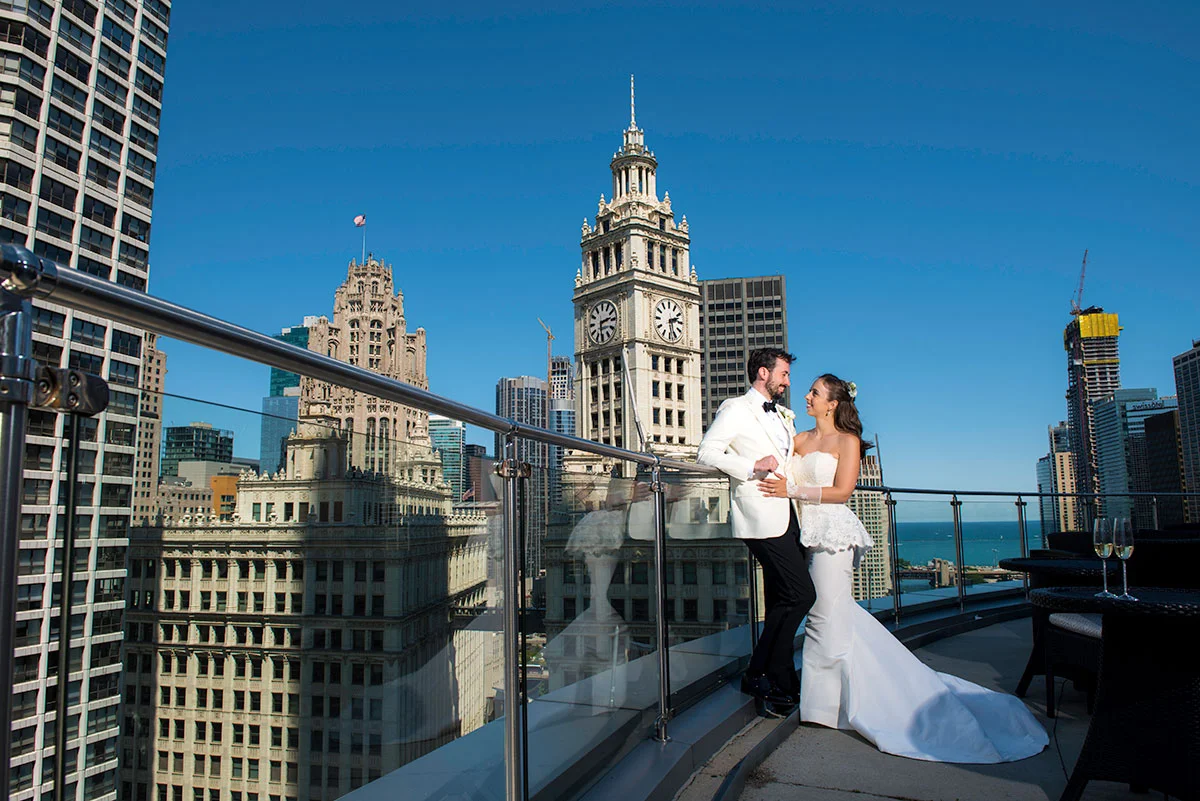 LOCATION – TRUMP INTERNETIONAL HOTEL
Provide Feedback Share your experience with your photographer, highlighting what you loved and any suggestions for improvement. A positive review can also help other couples find a great photographer for their big day.
Let the Photographer Lead Professional photographers know how to bring out the best in their subjects and settings. Trust their expertise and be open to their creative suggestions for poses and locations. Flexibility can lead to stunning, unexpected results.
Post-Wedding Considerations
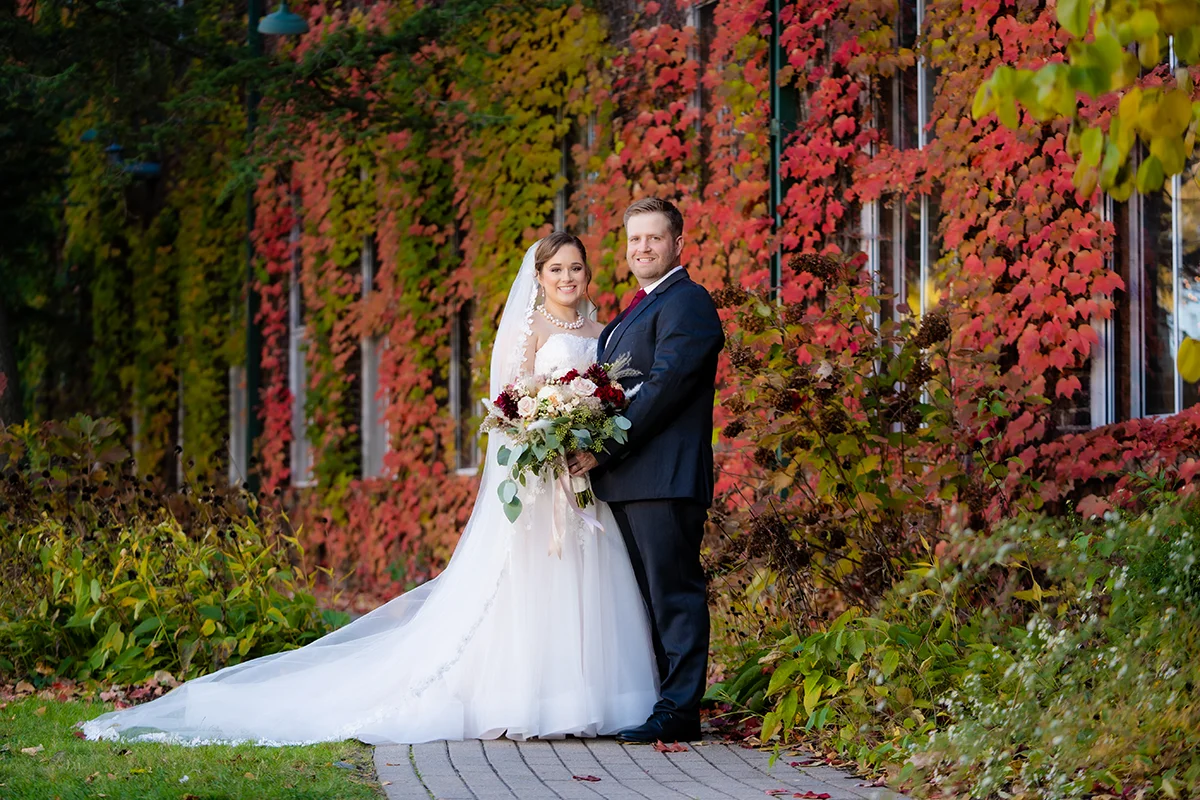 Review and Select Photos After the wedding, we usually schedule a design consultation where we talk about designing your custom wedding album, and printing wall art and other keepsakes for your home! It’s yet another way of fine tuning the telling of the story on your wedding day! Take your time to review the proofs and work with your photographer to finalize your heirlooms and turn them into tangible memories of your wedding day!
Wedding photography is an integral part of your big day, capturing memories you’ll cherish for a lifetime. By preparing thoroughly, communicating clearly, and trusting your wedding photographer, you can enjoy a stress-free experience. Remember, the ultimate goal is to celebrate your love and savor every moment—your photographer will take care of the rest.