
Cinematic wedding photography style in wedding photography isn’t about applying a look — it’s about how a story is seen. A cinematic, artistic approach is rooted in intention: how light is shaped, how space is used, and how moments are allowed to unfold naturally rather than being forced.
Rather than photographing every wedding the same way, this philosophy adapts to its environment making sure the wedding photography style matches your personality. Grand venues, intimate gatherings, modern architecture, and historic estates each carry a different rhythm, and the imagery responds accordingly. What remains consistent is a focus on composition, atmosphere, and emotional restraint — creating photographs that feel considered, timeless, and deeply connected to the experience of the day.
This approach is not trend-driven or formulaic. It’s guided by observation, pacing, and a respect for the space and the people within it — allowing each wedding to feel visually distinct while remaining cohesive in tone and intent.
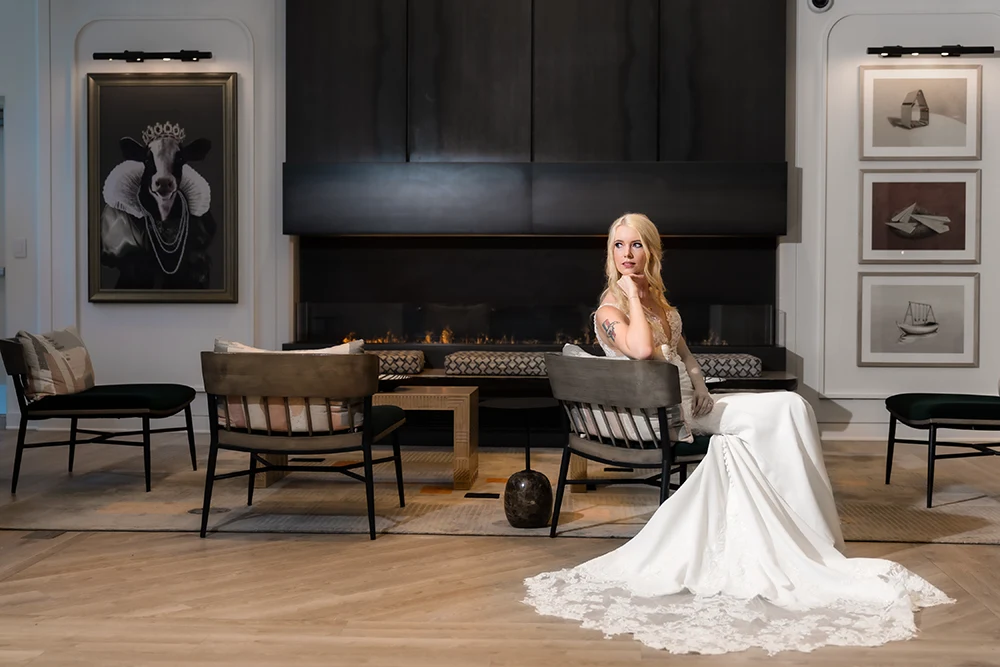
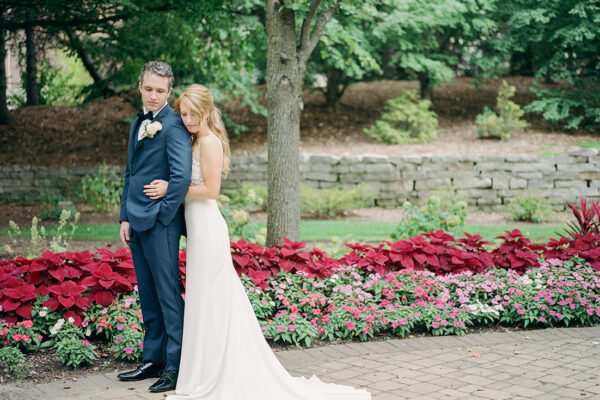
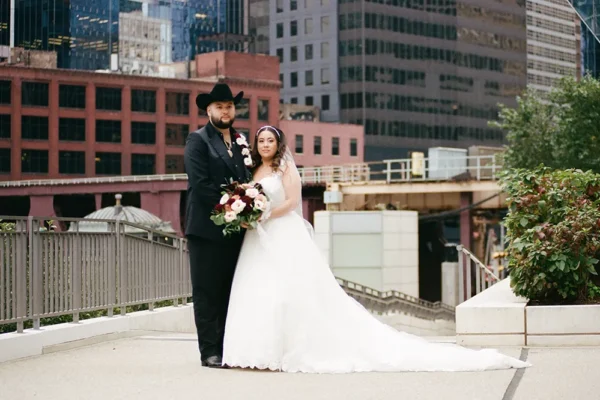
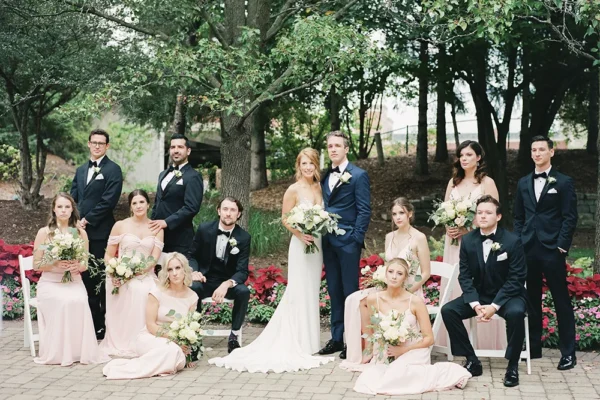
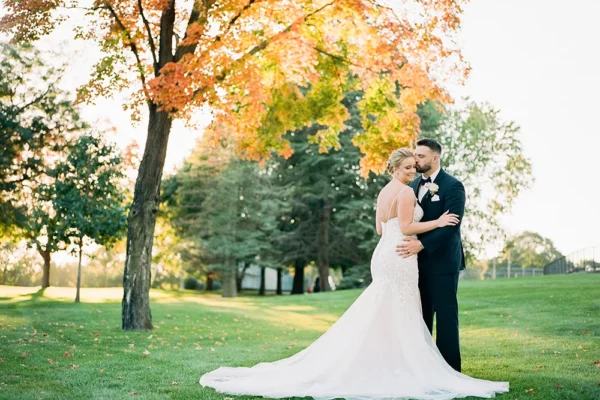
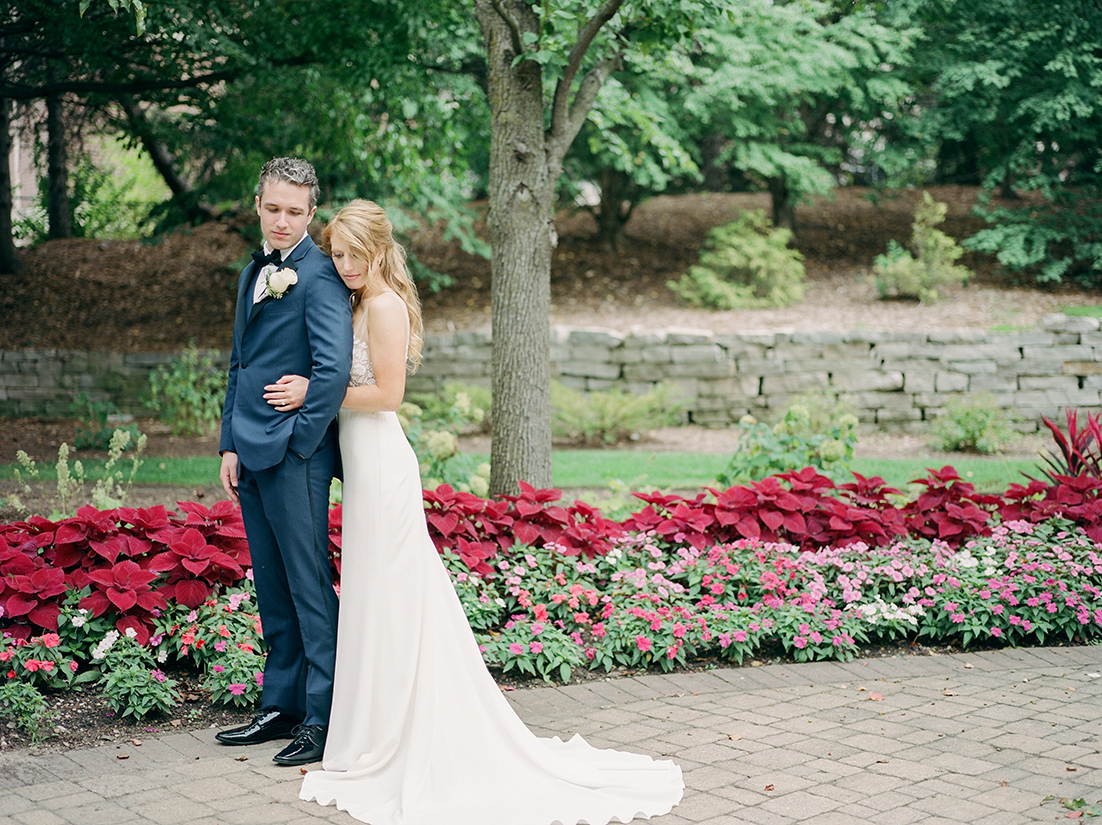
Example of cinematic wedding photography — intentional light and compositional depth.
What Cinematic Wedding Photography Really Means
A cinematic and artistic approach isn’t defined by darkness, trends, or visual effects. It’s defined by intention. It’s about how light is used to create depth, how composition guides the eye, and how moments are allowed space to breathe rather than being rushed or manufactured.
Cinematic photography draws from film language — wider perspectives, layered frames, and an awareness of pacing. Artistic photography emphasizes restraint, balance, and texture. Together, they create imagery that feels immersive and emotionally grounded, without relying on excess direction or visual noise.
The result is work that feels considered rather than reactive, expressive without being over-styled.
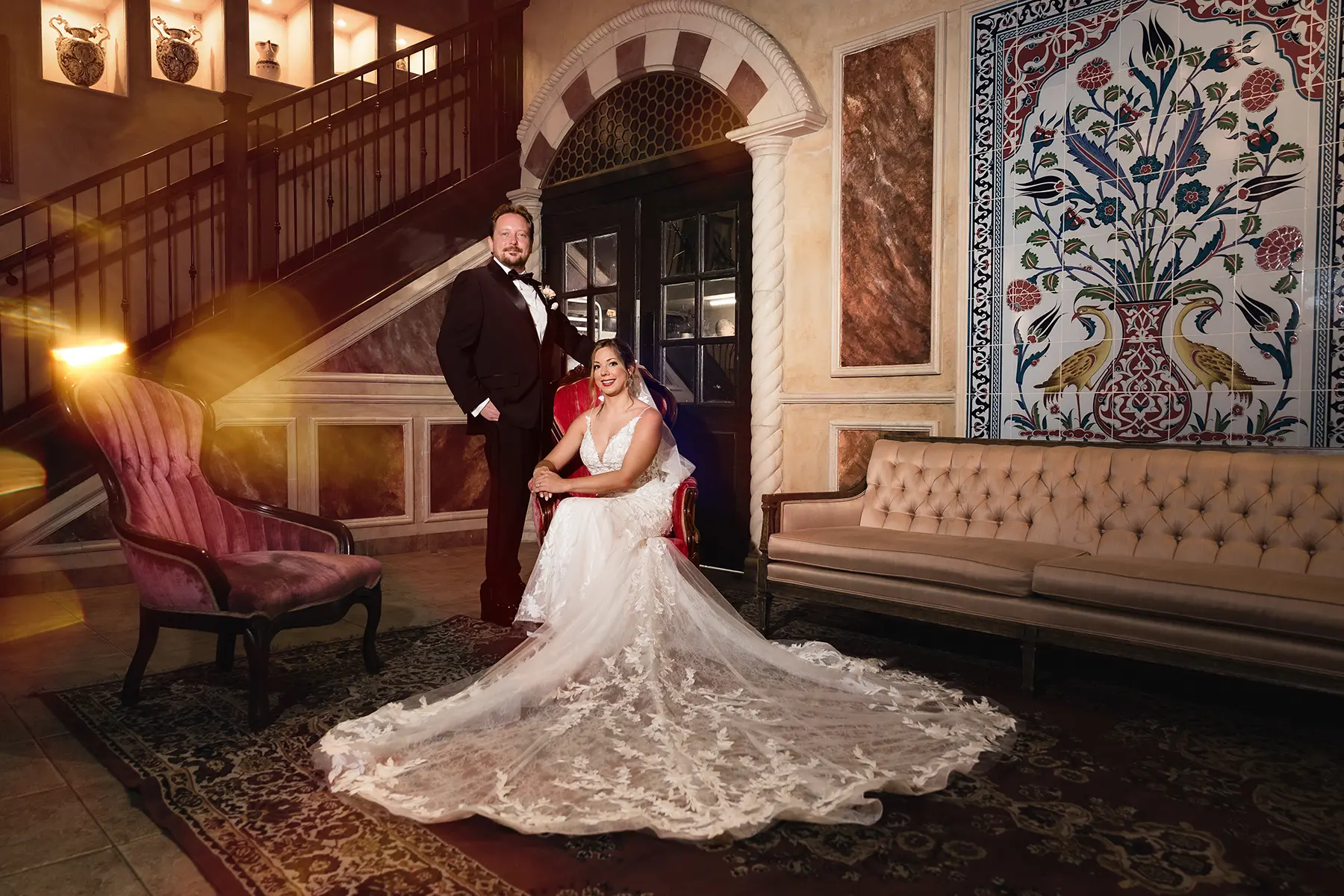
Cinematic Wedding Photography Across Different Weddings
Rather than applying a fixed look to every celebration, this approach adapts to its environment. Each wedding brings a different energy, space, and rhythm, and the photography responds accordingly.
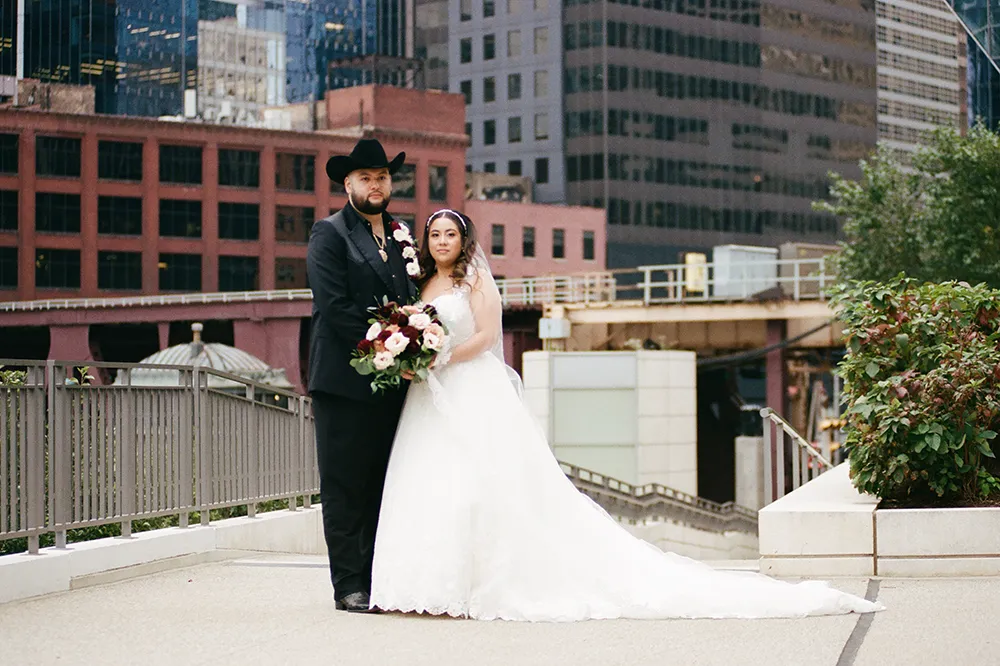
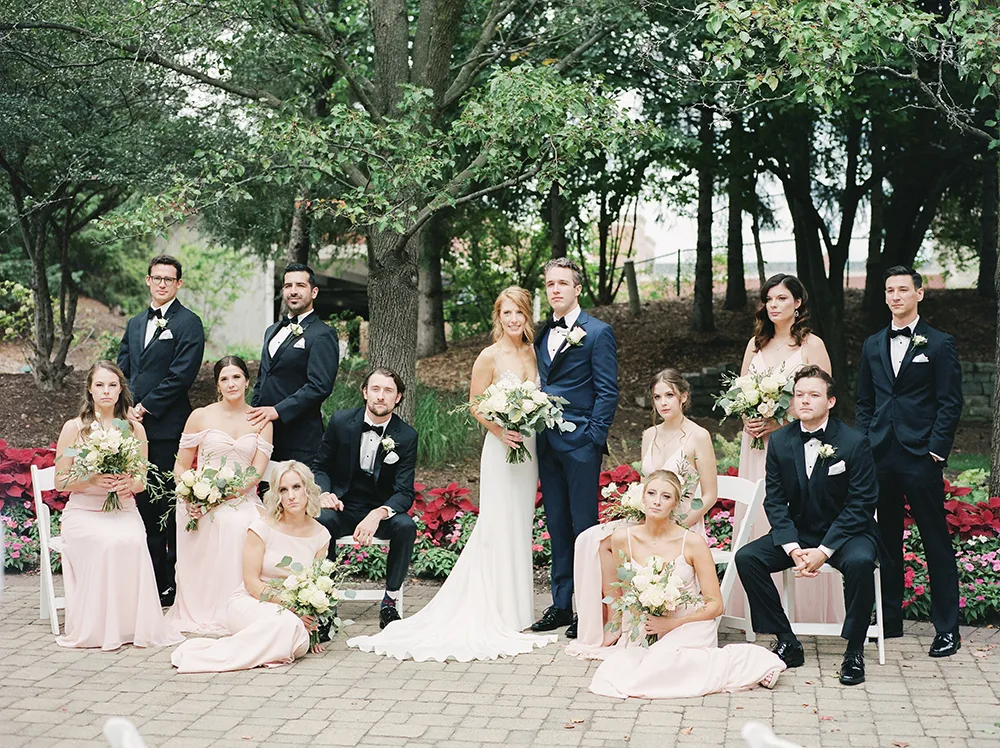
Bright, modern venues call for clean compositions and controlled use of negative space. Historic estates benefit from symmetry, stillness, and architectural framing. Intimate gatherings allow quieter moments to unfold naturally, while larger celebrations are documented with a sense of scale and movement.
What remains consistent is not the lighting condition or color palette, but the philosophy — intentional observation, thoughtful composition, and respect for the experience as it unfolds.
Light & Mood in Cinematic Wedding Photography
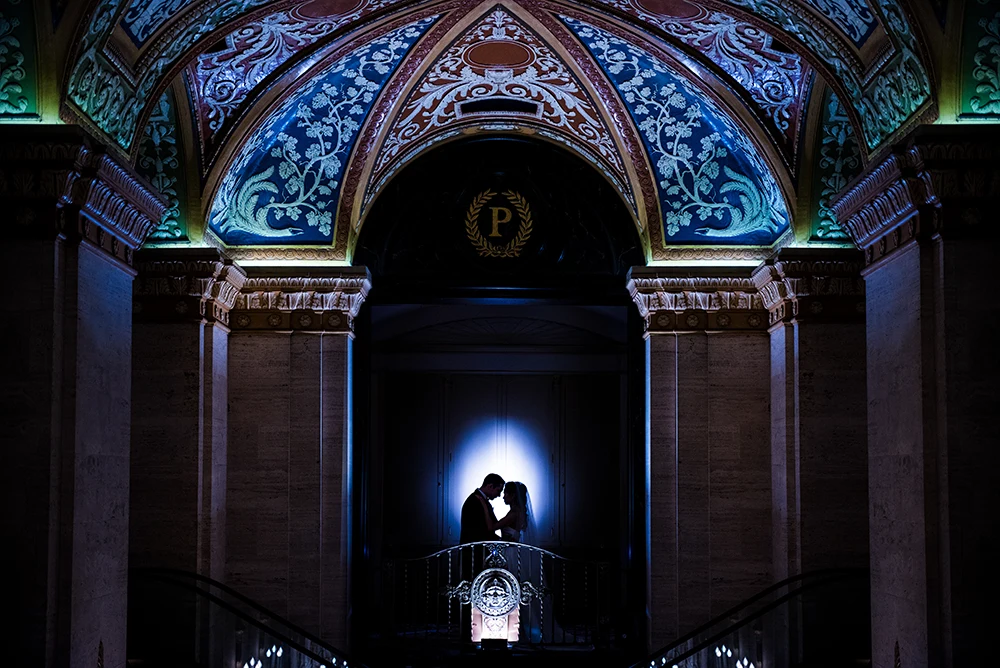
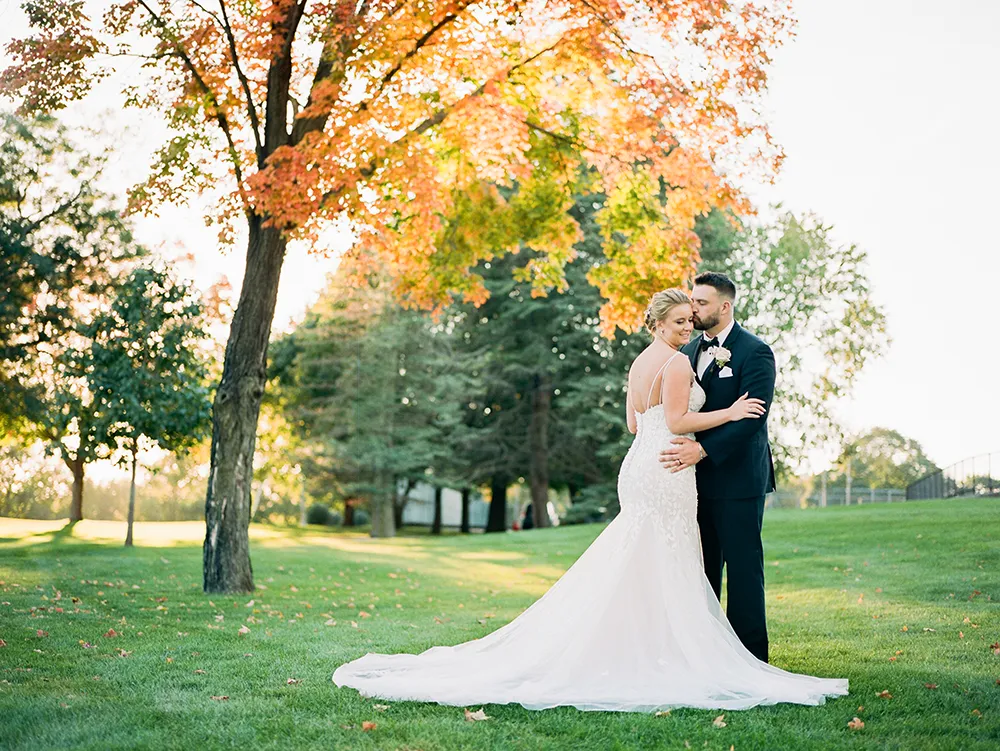
Light is one of the most powerful storytelling elements in wedding photography. Rather than flattening scenes with excessive illumination, a cinematic approach works with available light to preserve atmosphere and depth.
Directional window light, candlelight, and architectural lighting create dimension and mood. Shadow is used deliberately — not to obscure, but to add contrast and intimacy. Even in low-light environments, the goal is clarity without sacrificing feeling.
This approach allows photographs to feel immersive and natural, reflecting how the space actually felt rather than how it was artificially altered.
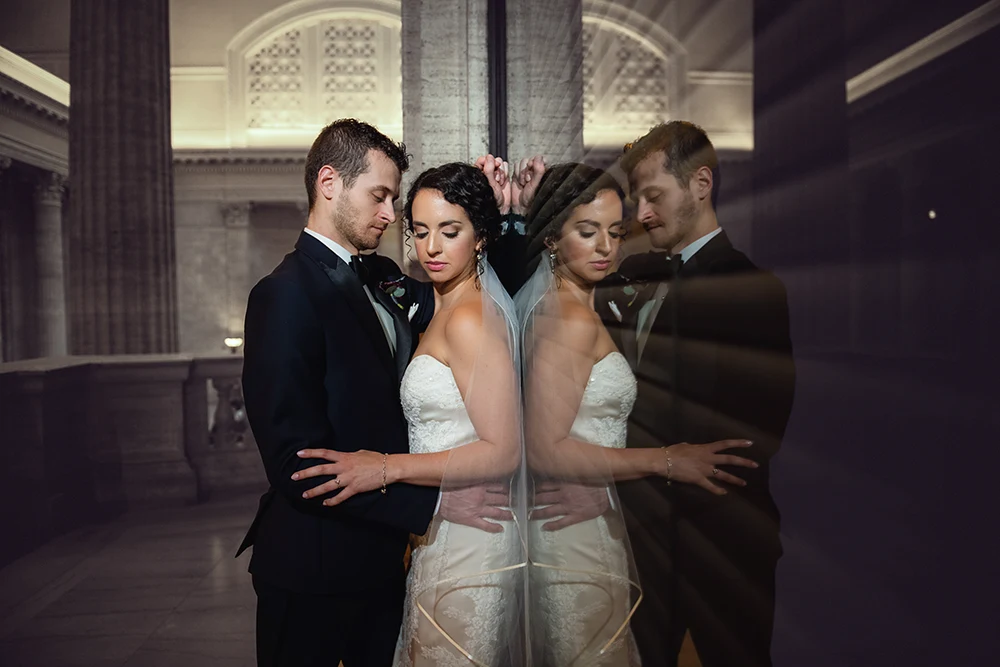
Cinematic & Editorial Storytelling in Wedding Photography
Traditional wedding photography often prioritizes constant direction and exhaustive coverage. A cinematic, artistic approach places greater value on pacing and awareness.
There are moments when gentle guidance is helpful — portraits, transitions, or moments that benefit from structure. And there are moments when stepping back is essential, allowing emotion to unfold without interruption. Knowing the difference is what creates images that feel genuine rather than staged.
This balance results in storytelling that feels effortless and authentic, while still maintaining a refined, editorial sensibility.
Weddings That Lend Themselves to a Cinematic Approach
While this philosophy adapts to many environments, it resonates most strongly with weddings that prioritize atmosphere and intention.
Wedding venues with character, thoughtful timelines, meaningful design choices, and couples who value presence over performance naturally align with a cinematic and artistic approach. This doesn’t require a specific color palette or aesthetic — only a willingness to let moments unfold and spaces speak for themselves. To find some of our favorite Chicago wedding venues, you can read more about our Chicago wedding venues photography guide!
When that alignment exists, the imagery feels timeless rather than tied to a specific era or trend.
Film Photography, Texture, and Intentional Restraint
Film photography complements a cinematic approach by encouraging patience and precision. With a finite number of frames and a slower process, each exposure becomes intentional.
Film adds texture, softness, and subtle imperfection — qualities that pair beautifully with atmospheric environments and emotionally grounded storytelling. It’s not used for nostalgia or novelty, but as a tool to enhance depth and authenticity where it makes sense.
When integrated thoughtfully, film becomes part of the narrative rather than a stylistic distraction.
Common Questions About Cinematic Wedding Photography
How do you balance a cinematic style with candid moments?
Cinematic wedding photography isn’t about staging moments — it’s about how moments are observed and framed. Much of the day is documented candidly, with an emphasis on anticipation, composition, and timing. When guidance is needed, it’s subtle and intentional, allowing real emotion to remain intact while still creating imagery that feels refined and thoughtful.
Can cinematic wedding photography work for bright or outdoor weddings?
Absolutely. Cinematic photography is not dependent on dark environments. Bright outdoor ceremonies, modern venues, and natural light settings can still feel expressive and cinematic when light is shaped intentionally and composition is approached with care. The goal is atmosphere and depth, not darkness.
How does this style affect the wedding day experience?
This approach often allows the day to feel more relaxed. With less constant direction, couples and guests are able to stay present and engaged. Guidance is offered when it enhances the experience, but much of the storytelling happens organically, without interruption.
Is cinematic wedding photography a trend?
While the term may feel current, the philosophy is rooted in timeless principles — light, composition, pacing, and storytelling. These elements transcend trends and help ensure that images remain relevant and meaningful years from now.
Will our photos feel too serious or dramatic?
Not at all. Cinematic imagery captures joy, laughter, and connection just as naturally — it simply does so with intention and restraint rather than exaggeration.
Does this approach work for daytime or outdoor weddings?
Yes. Cinematic photography is about how light and space are used, not about darkness. Bright environments can feel just as expressive when photographed with care.
Will we still receive candid moments?
Absolutely. Observational storytelling is central to this approach. Candid moments are often the most powerful when they’re allowed to happen uninterrupted.
Does this affect how guests experience the day?
If anything, it enhances the experience. With less constant direction, couples and guests are able to stay present and engaged.
Let’s See If This Approach Is the Right Fit
Cinematic and artistic wedding photography is ultimately about alignment — between the photographer, the space, and the people within it. If this philosophy resonates with you and reflects how you want your wedding remembered, I’d love to learn more about your plans and explore whether we’re the right fit.
Schedule a consultation to begin the conversation.